01
SignalGate
Call entry, source detection, spam filtering, first-intent capture, and triage before deeper qualification begins.
Branded modules that answer, qualify, route, follow up, and log — under SAAP control.
Modules sit above a SAAP control base. TrustGrid carries logging and handoff into every path.
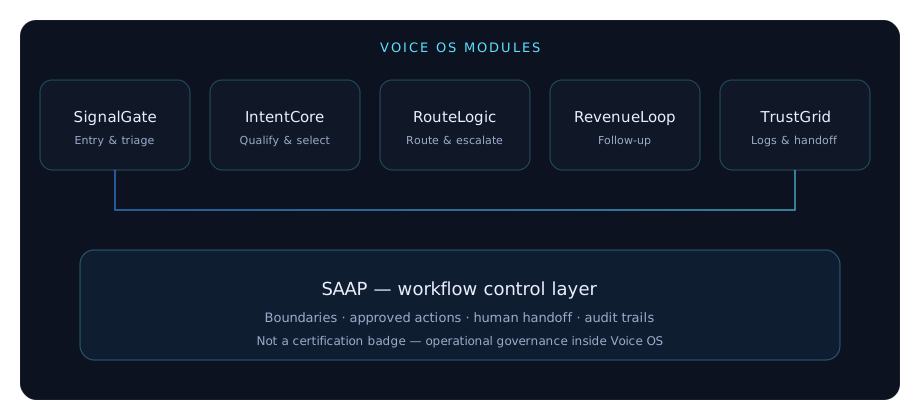
Each module owns a stage of the call. Together they form a controlled business workflow — not an open-ended chatbot.
Call entry, source detection, spam filtering, first-intent capture, and triage before deeper qualification begins.
Caller intent analysis, lead qualification, required questions, and workflow selection based on what the business allows.
Smart transfer rules, calendar routing, CRM updates, SMS links, and escalation paths to the right human or system.
Missed-call recovery, no-show follow-up, old-lead reactivation, and booking nudges after the live conversation ends.
SAAP-backed workflow boundaries, call logs, audit trails, approved actions, and human handoff controls.
Inbound → modules → handoff, follow-up, or log — with TrustGrid / SAAP under every step.
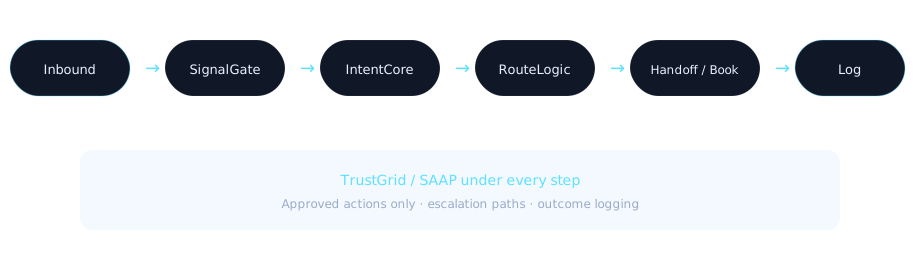
Voice OS does not invent authority. RouteLogic and TrustGrid only execute actions the deployment has approved — book, text, transfer, escalate, or log.
When a caller needs a person, the system hands off with context instead of dumping an unexplained transfer.
Missed calls and unfinished bookings do not have to die in voicemail. RevenueLoop runs the recovery and reminder paths you define.
TrustGrid records call state and decisions for operators who need an explainable trail. This is operational logging — not a compliance certification claim.